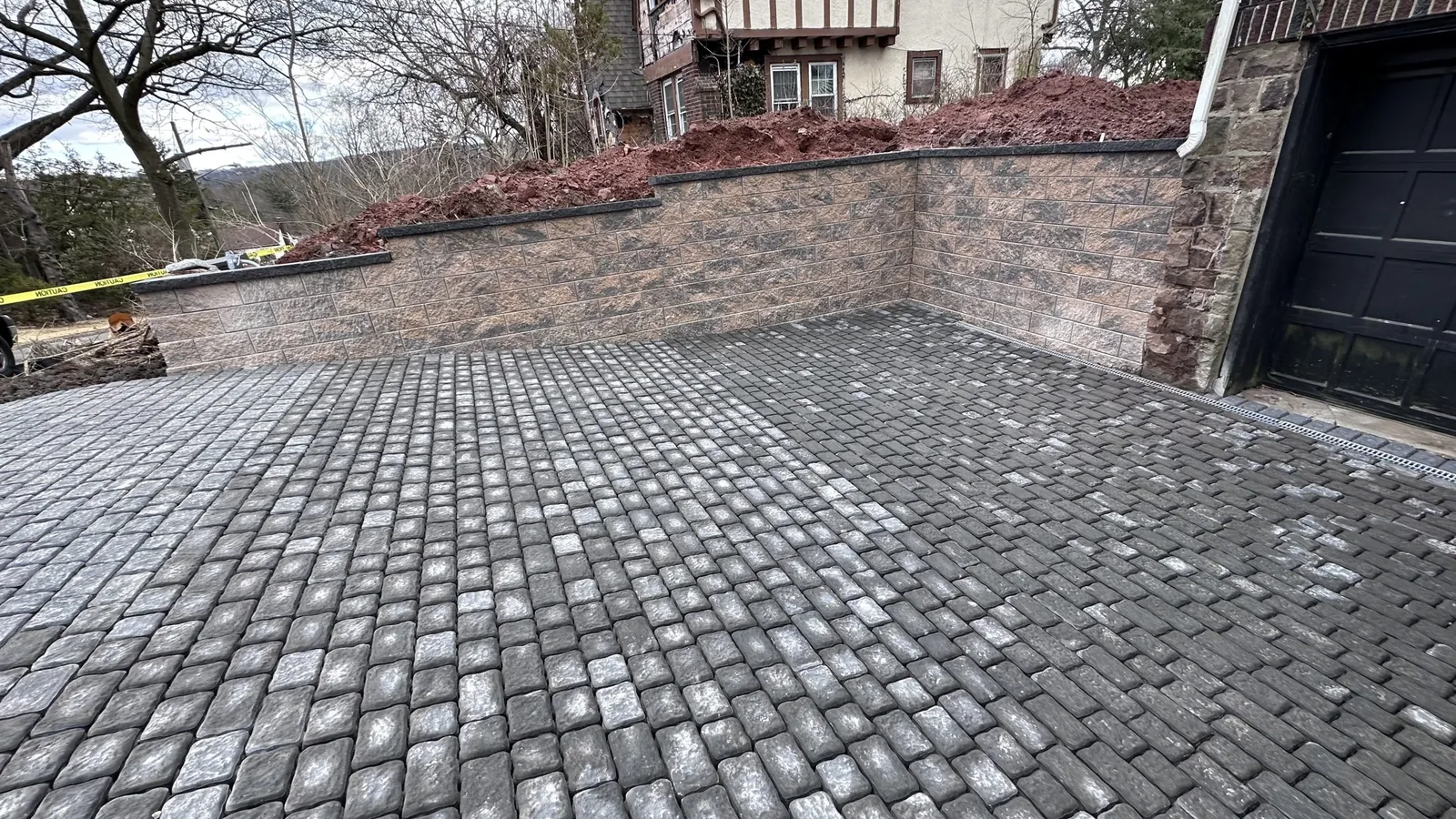
Patios and Pavers
Design and build a paver or masonry patio around entertaining, circulation, drainage, and the architecture of your Northern New Jersey home.

Northern New Jersey
Assess damaged steps, joints, walls, and paved surfaces to determine whether targeted masonry repair or rebuilding is appropriate.
Masonry distress can result from water, freeze-thaw cycles, settlement, failed joints, movement, impact, or an unsuitable base. A lasting repair begins by understanding why damage occurred.
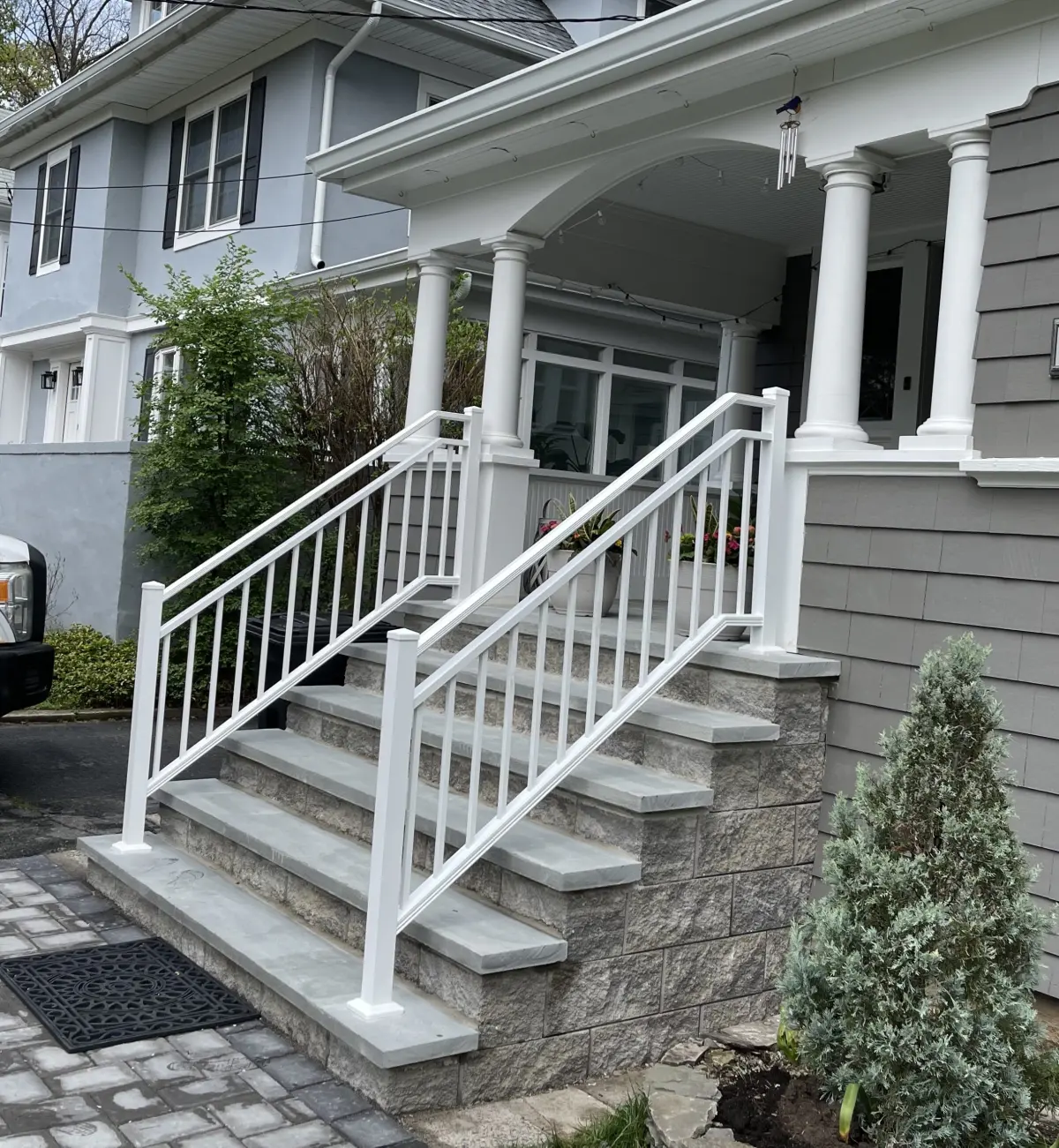
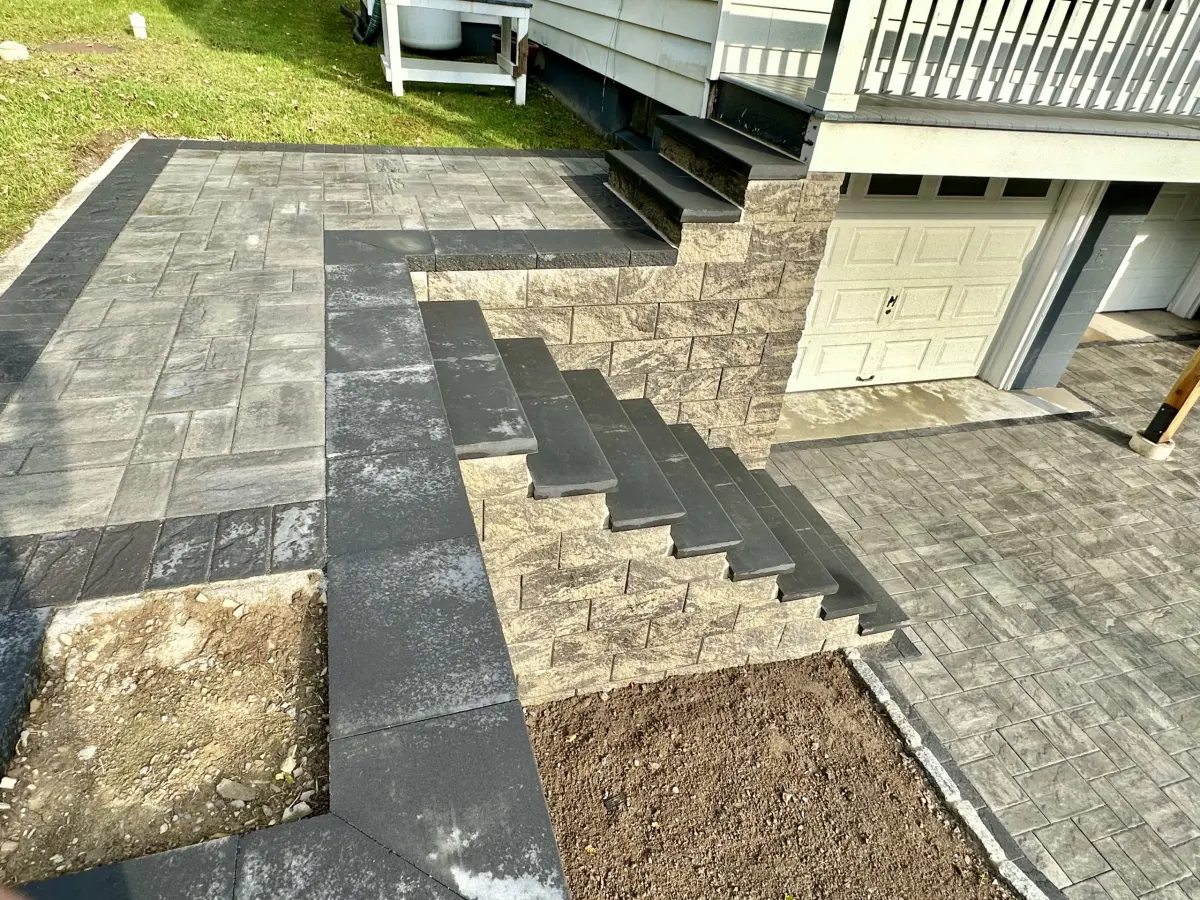
A localized repair may make sense when the supporting work remains sound. Rebuilding may be appropriate where movement is widespread, the base has failed, or water continues to affect the area. We explain the observed conditions and practical options.
Photographs help show the visible damage, but an in-person review can reveal adjacent movement, drainage patterns, loose material, or a failed base. Tell us when the condition appeared, whether it is getting worse, and where water goes after heavy rain. Those details help distinguish a localized defect from a wider issue.
New mortar, brick, stone, and pavers can differ from weathered material in color and texture. We discuss whether matching existing work is feasible and whether a defined repair area, new cap, or border will give a more intentional result. Where structural movement or persistent moisture is present, the repair scope should address that cause before cosmetic finishing.
Loose mortar on an otherwise stable wall is different from a crack that widens season after season. A sunken paver may reflect a local washout, poor edge support, or a larger base failure. A step that sheds its veneer may have water entering from above. We look at the pattern of damage instead of prescribing one repair method for every surface.
Photograph affected areas over time if you can. Note whether movement follows heavy rain, winter freeze-thaw, or nearby construction. This history gives context that a single dry-day visit cannot provide and helps us decide where to investigate first.
When mortar has weathered out, repointing may help protect sound masonry if the units and underlying structure remain stable. The replacement mortar needs to be compatible with the existing material; overly hard or poorly matched work can create other problems. Broken units, staining, and water entry should be assessed before repointing is proposed.
Stone and veneer can loosen for reasons beyond a failed surface bond, including movement and moisture behind the finish. A repair may involve resetting a limited area or rebuilding a larger section. We explain which parts of the assembly appear sound and where hidden conditions could expand the scope.
Uneven patio, walkway, and driveway pavers can create trip points and allow water to collect. A local repair may involve lifting units, correcting the bedding or base, restoring the edge, and resetting the paving. The answer depends on whether the surrounding area is stable and where water or soil has moved.
Repeatedly topping up joints or adding sand to a low spot may improve appearance briefly without addressing washout beneath it. If multiple areas are sinking, we consider drainage, compaction, and the original construction. A repair estimate should state whether it is a localized correction or part of a broader replacement recommendation.
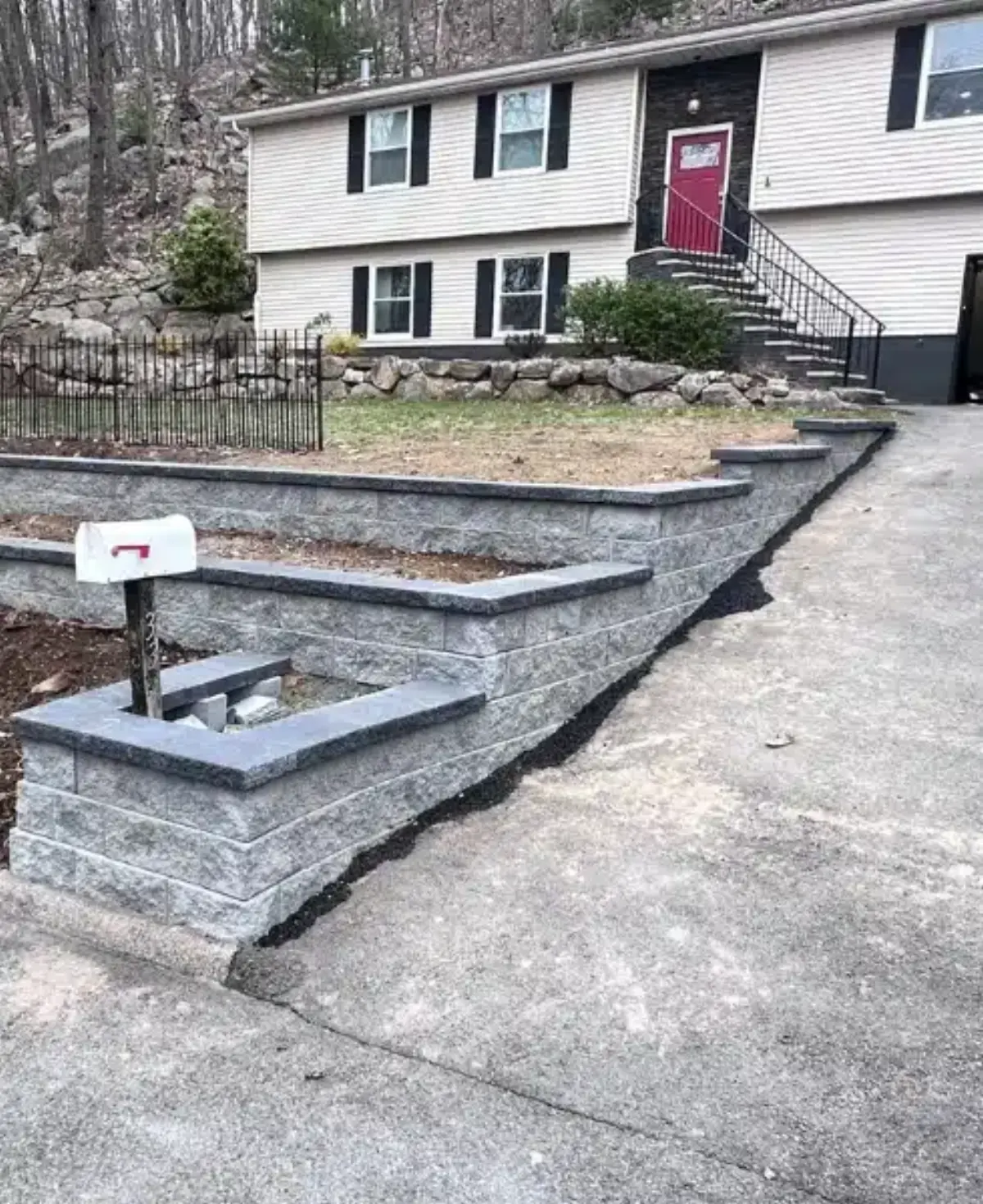
Loose step caps and cracked landing joints can sometimes be repaired when the body of the steps remains stable. If the steps have shifted, water is entering at the house, or riser heights are inconsistent, a rebuild may be safer and more durable. Similarly, a retaining wall that leans or bulges needs more than a new cap or cosmetic patch.
We separate the visible defect from the supporting structure. Some conditions only become clear after loose material is removed. We discuss those uncertainties up front and avoid describing a finish-only fix as a permanent answer to structural movement.
Start with the affected area. Is damage confined to one edge or repeated throughout the installation? Next ask whether the substrate and drainage are sound. Then consider whether matching material exists and whether the finished repair will be visually acceptable. A small defect on stable work often favors repair; recurring movement across a large area may favor rebuilding.
Age alone does not determine the answer. An older walkway can be worth repairing when its base is good, while a newer patio can need substantial work if water is undermining it. We review the practical options rather than assuming a full replacement is always necessary.
Send wide photographs that show the damaged area in context, plus closer views of cracks or loose units. Include the age of the work if known, previous repair history, and any photos taken after a storm. Mark places where water pools and mention whether the problem affects access or creates a safety concern.
During the visit, we can discuss access, the availability of matching products, and whether the repair may reveal hidden conditions. A clear scope should identify what will be removed, what will be rebuilt or reset, how water will be handled, and what portions of the existing work will remain.
A repair description should say what will be removed, where the work starts and stops, and what material will be installed. It should also say whether base, drainage, or support work is included. Without those details, a price for “masonry repair” may refer to anything from a surface patch to a substantial rebuild.
Ask how the new work will meet the old. The visual transition can be especially important for brick, weathered stone, or discontinued pavers. Discuss what can be matched and what cannot. If hidden damage may be exposed during demolition, ask how additional work will be assessed and documented before proceeding.
After repair, ordinary maintenance still matters. Keep drainage paths open, inspect joints and caps seasonally, and respond to new movement promptly. A good repair should solve the identified problem within its stated scope, not imply that unrelated older masonry is guaranteed against future wear.
These details help us understand urgency and determine what photographs or access will be most useful at the first visit. If a structure appears unstable, keep people away from it while it is assessed.
A hairline crack in a surface finish may be mainly visual, while a crack that crosses units, widens, or returns after patching can suggest movement below. Location matters: a stair-step crack near an entry, a separating retaining wall, and an isolated broken paver call for different investigations. We look for associated signs such as unevenness, water staining, loose material, and nearby drainage changes.
Photos taken over several months can help show whether a condition is active. If a previous repair failed quickly, describe exactly what was done. That history may reveal whether the earlier work addressed the cause or only the surface. We avoid promising a permanent result from a photograph alone.
When a damaged area sits beside otherwise sound masonry, a focused repair should preserve as much good work as practical. We discuss how demolition will stop, whether the new material can be matched, and how the joint between old and new will be finished. In some cases a defined border or larger replacement panel looks better than a patch with scattered unmatched units.
If several nearby elements are deteriorating, combining the work may avoid repeated access and inconsistent finishes. That decision should be driven by condition and function, not by an assumption that every older surface must be replaced.
More ways to improve your outdoor space
Design and build a paver or masonry patio around entertaining, circulation, drainage, and the architecture of your Northern New Jersey home.
Create a durable, welcoming walkway between your driveway, entrance, backyard, patio, and landscape with materials selected for the property.
Build or restore front-entry and landscape steps with careful attention to safe access, proportion, masonry materials, railings, and drainage.
Verified service areas
Planning a patio, retaining wall, steps, or outdoor living space in Randolph? Explore our masonry services and see examples of work we have completed in New Jersey.
Explore patios, walkways, masonry steps, retaining walls, and outdoor living work for Denville homes, with examples from our New Jersey portfolio.
Consider masonry and outdoor living improvements in Parsippany–Troy Hills, from paver patios and entry steps to driveways and retaining walls.
Explore masonry and outdoor living services for Montclair homes, including Upper Montclair and neighborhoods across the township.
Plan retaining walls, paver patios, walkways, and masonry steps for homes in Chatham Township and Chatham Borough.
Retaining walls, paver patios, steps, and outdoor living for Montville Township homes, including Pine Brook and Towaco.
Paver patios, paver driveways, walkways, and outdoor living spaces for Short Hills homes in Millburn Township.
Retaining walls, stone patios, walkways, and driveways for Bernardsville properties, planned around slopes, drainage, and existing stonework.
Walkways, stone steps, patios, and retaining walls for homes in Mendham Borough and Mendham Township.
Masonry and outdoor living for Chester Township and Chester Borough homes, from patios and retaining walls to steps, driveways, and fire features.
Let’s get your project started
Tell us what you have in mind and where you’re located. Start your free estimate request right here.
Prefer to talk?
(973) 400-9480 ↗
A few details are all you need to get started. Fields marked * are required.